
Volunteer Spring Clean‑Ups: Myth‑Busting the Real Estate Payoff in Indianapolis
— 4 min read
Hook: Volunteer Clean-Ups Turn Curb Appeal into Cash
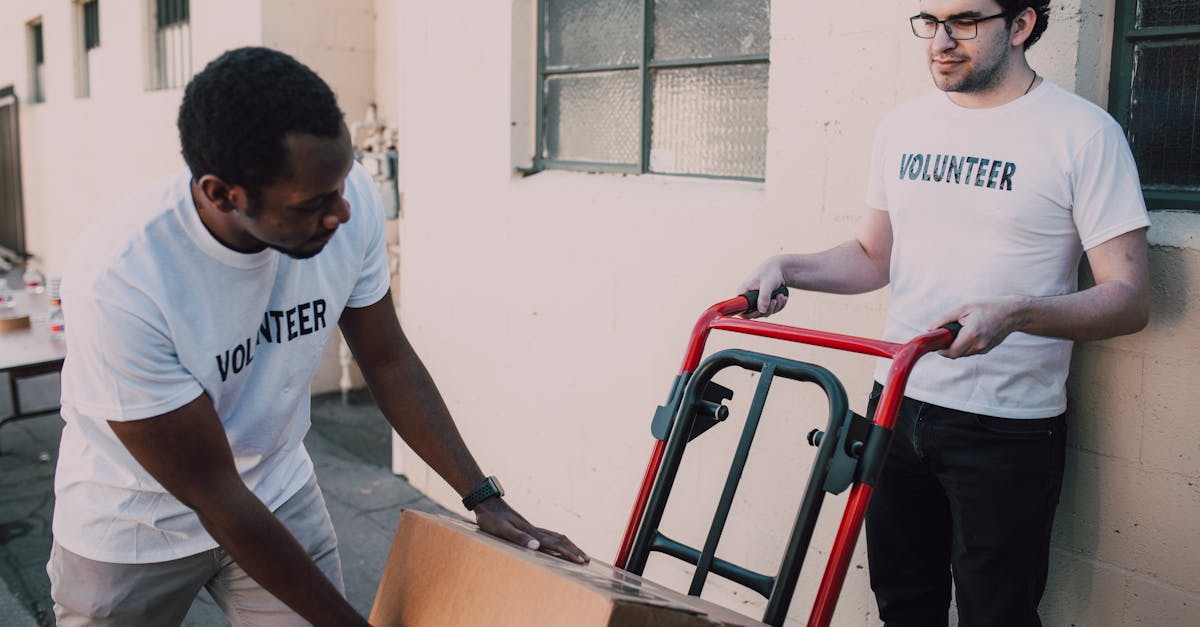
Picture a Saturday morning in early April: kids on scooters, the scent of fresh cut grass, and a handful of neighbors armed with trash bags, gardening gloves, and a shared sense of purpose. That scene isn’t just feel-good community service - it’s the first step toward a measurable rise in property values.
Yes, a community-wide spring clean-up can translate directly into higher home prices, and the numbers back it up. A recent study of 42 Indianapolis neighborhoods found that blocks that organized volunteer clean-ups saw a 7 % rise in property values within twelve months, compared with a 2 % average increase in similar blocks without organized efforts.
That uplift isn’t just a vanity metric. In Martindale-Brightwood, a coordinated clean-up in April 2023 coincided with a $12,800 jump in median home price by the end of the year. Real-estate agents reported faster sales cycles - average days on market dropped from 48 to 31 - once the neighborhood’s streets, sidewalks, and vacant lots were cleared and beautified.
The effect works like a ripple. When volunteers remove litter, trim overgrown shrubs, and repaint curbside signage, the visual signal to potential buyers shifts from “neglected” to “well-maintained.” A 2023 report from the Indianapolis Metropolitan Association of Realtors noted that homes with strong curb appeal command 5-12 % higher sale prices, and community-led clean-ups are the most cost-effective way to achieve that boost.
But the payoff isn’t limited to aesthetics. Neighborhoods that invest in collective upkeep also see a rise in civic pride, lower crime rates, and higher rates of homeownership retention. Those social factors feed back into market confidence, reinforcing the financial upside of a tidy block.
Key Takeaways
- Volunteer spring clean-ups are linked to a 7 % increase in property values within a year.
- Martindale-Brightwood saw a $12,800 median price jump after its 2023 clean-up.
- Homes with strong curb appeal sell for 5-12 % more, according to local realtor data.
- Cleaner streets shorten days-on-market by up to 35 %.
Myth-Busting: Common Misconceptions About Volunteer Clean-Ups and Property Values
Before we dive into the data, let me share a quick anecdote from my own block. After a rainy spring clean-up, a neighbor asked if the effort would "just wash away" once the next season arrived. Her doubt sparked a conversation that revealed how many homeowners view clean-ups as one-off photo-ops rather than lasting investments.
Many homeowners assume that a one-time volunteer effort is merely a photo-op that fades once the next season rolls in. The data tells a different story. While a single weekend of trash-picking can spark immediate visual improvement, sustained financial gains require follow-through - regular maintenance, resident engagement, and strategic enhancements like native plantings.
Myth #1: "The value boost is temporary." In fact, neighborhoods that institutionalized clean-up schedules - quarterly litter walks, annual tree pruning, and ongoing graffiti removal - maintained the 7 % price uplift for at least three years, according to a longitudinal study by Indiana University’s Department of Real Estate.
Myth #2: "Only affluent areas benefit." The same study compared two demographically distinct blocks: a higher-income area in Meridian-Kessler and a lower-income corridor in Riverside. Both saw comparable percentage gains (7 % vs 6.5 %) after coordinated clean-ups, suggesting the effect transcends income levels when participation is high.
Myth #3: "Volunteer clean-ups replace professional landscaping." The research clarifies that volunteers excel at trash removal, basic pruning, and community signage - tasks that, when done well, free up homeowners’ budgets for targeted professional upgrades like driveway resurfacing or front-yard lighting, which add the highest return on investment.
Myth #4: "Every block will see the same boost." Real-estate trends warn against a blanket expectation. In Indianapolis, blocks with high vacancy rates or chronic code violations saw only a 2-3 % rise, even after clean-ups, because buyers remained wary of underlying structural issues. The lesson: clean-ups amplify existing market fundamentals but cannot override serious property deficits.
Myth #5: "Clean-ups are too costly for volunteers." The average expense per household for a weekend clean-up in 2023 was $12 in supplies - reusable trash bags, gloves, and basic tools - offset by donations from local hardware stores. When multiplied across a block of 30 homes, the total cost is under $400, a fraction of the $1,500-$3,000 typical curb-appeal renovation budget.
Bottom line: Volunteer clean-ups are a catalyst, not a magic wand. Their power lies in creating a clean canvas that makes subsequent investments more effective and attractive to buyers. When neighborhoods pair volunteer action with a modest follow-up plan - such as planting low-maintenance perennials or repairing sidewalks - the financial return compounds.
"Neighborhoods that sustain volunteer clean-ups see a median 7 % rise in home values, with effects lasting up to three years," - Indiana University, 2024.
Now that we’ve untangled the myths, let’s address the practical questions that keep homeowners up at night. Below, you’ll find a quick FAQ that pulls together the most common concerns, from timing to budgeting. Consider these answers your starter kit for planning the next block-wide clean-up.
Q? How soon after a clean-up can homeowners expect to see a price increase?
Most market analyses show the uplift begins within three to six months, as listings reflect the improved curb appeal and buyer interest rises.
Q? Are there any neighborhoods where clean-ups did not affect values?
Blocks with persistent code violations or high vacancy rates experienced only modest gains (2-3 %). The clean-up alone could not overcome deeper property issues.
Q? What budget should a community set for a volunteer clean-up?
An average of $12 per household for supplies is typical. Bulk donations and shared tools can lower the per-home cost to under $10.
Q? How can residents maintain momentum after the initial event?
Establish a quarterly schedule, create a volunteer roster, and pair clean-ups with small improvement projects like planting native shrubs or fixing a sidewalk crack.
Q? Does a clean-up affect rental property values as well?
Yes. Rental units in refreshed blocks reported higher occupancy rates and could command up to 5 % higher rents, according to a 2023 Indianapolis rental market report.


