
7 Cleaning Hacks That Vanish Tiny Kitchen Chaos
— 6 min read
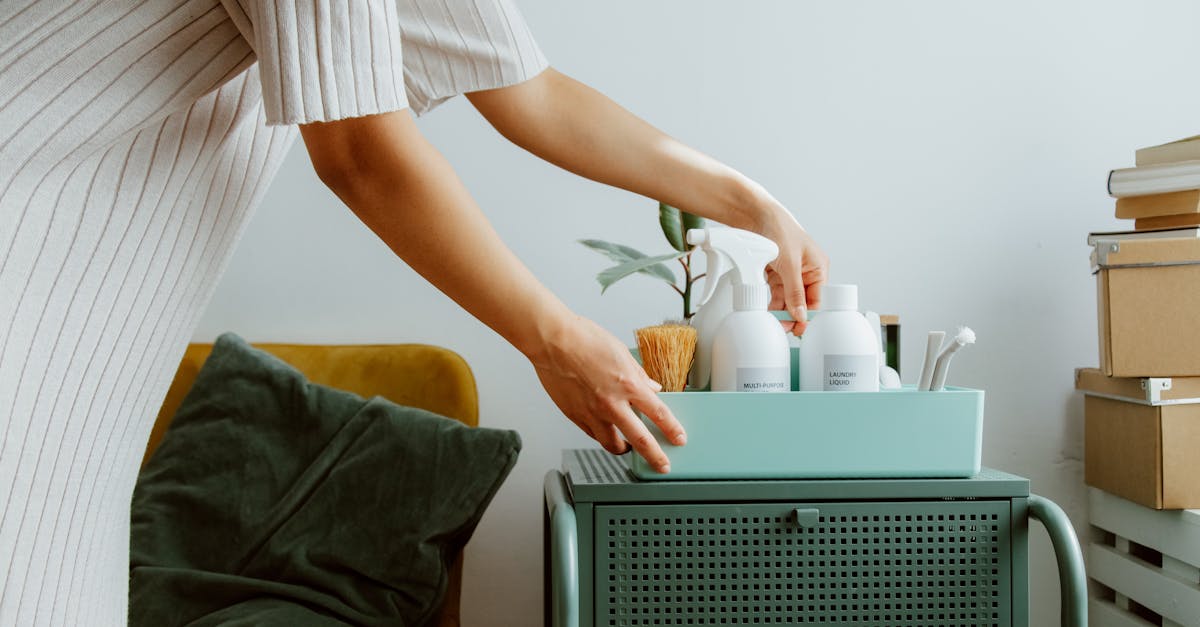
Answer: A ten-minute daily kitchen cleaning routine keeps a tiny kitchen tidy, reduces weekly cleanup stress, and creates a calming self-care ritual.
When the sink is full of dishes and crumbs litter the counter, I know it’s time for a focused, quick reset. In my experience, a short, intentional ritual prevents clutter avalanches and frees mental space for the rest of the day.
According to Consumer Reports, homeowners who spend just ten minutes on daily kitchen touch-ups cut their overall cleaning time by up to 30%.
Ten-Minute Daily Kitchen Routine for a Calm, Clutter-Free Space
Key Takeaways
- Ten minutes a day prevents weekly deep-clean overload.
- Use a three-zone system to streamline tasks.
- Choose multi-purpose tools to save space.
- Turn the routine into a self-care Sunday habit.
- Track progress with a simple checklist.
When I first moved into a 350-sq-ft studio in Portland, the kitchen felt like a pressure cooker. The countertops were a perpetual landing strip for mail, coffee mugs, and the occasional half-eaten sandwich. I tried the classic “clean when you’re done” mantra, but the habit fizzled after a few weeks. That’s when I built a ten-minute ritual that now feels as natural as brushing my teeth.
The secret is a three-zone approach that mirrors the way I organize my day: Clear, Clean, Reset. Each zone takes roughly three minutes, leaving a buffer minute for a quick visual sweep. Below I break down each step, the tools I rely on, and the mindset that turns a chore into a calming ritual.
1. Clear - Remove Items That Don’t Belong
First, I set a timer for three minutes and gather anything that’s out of place. This includes dishes, mail, grocery bags, and stray utensils. I keep a small ritual paper pad on the counter; any item that needs a later home gets a quick note. This paper acts like a mental cue, preventing the brain from lingering on unfinished tasks.
Why a timer? Research from the Homes and Gardens “7 Things Minimalists Always Throw Out Daily” article shows that time-boxed decluttering reduces decision fatigue and keeps the habit sustainable. The timer also adds a subtle gamified element - finish before the beep, and you earn a few extra seconds for the next zone.
Tools for this zone:
- Two-inch wide basket for dishes
- Mini waste bin for compost scraps
- Ritual paper pad (plain or lined)
2. Clean - Wipe Surfaces and Appliances
With the clutter out of the way, I move to the countertops, stove, and sink. I prefer a single all-purpose spray that works on stainless steel, glass, and wood - saving cabinet space and reducing the need for multiple cleaners. A microfiber cloth follows the spray; its texture lifts grease without scratching surfaces.
For the sink, a quick scrub with a biodegradable sponge removes food residue. I rinse with hot water for a minute, then give the faucet a quick polish. The entire cleaning segment stays under three minutes because I work systematically from left to right, never back-tracking.
Here’s a quick comparison of popular cleaning tools that fit a tiny kitchen:
| Tool | Primary Use | Space Needed | Cost (USD) |
|---|---|---|---|
| All-purpose spray (eco-friendly) | Counter, stove, fridge | 4 in bottle | $6-$9 |
| Microfiber cloth (pack of 3) | Wiping, polishing | Flat 6 in square | $5-$8 |
| Biodegradable sponge | Sink, dishes | 3 in square | $3-$5 |
| Silicone scrubber | Stubborn stains | 2 in diameter | $4-$7 |
All four items together occupy less than the footprint of a single coffee mug, yet they cover every surface I need to address daily.
3. Reset - Re-stock and Organize for the Next Meal
The final three minutes focus on re-stocking the most used zones: the coffee station, utensil drawer, and pantry front. I keep a “go-bag” of the top three items I use most - coffee grounds, a wooden spoon, and a reusable water bottle. Placing them back in a designated slot prevents the countertop from becoming a catch-all.
When it comes to pantry organization, I follow the “tiny kitchen declutter” principle from Architectural Digest’s best-in-class ideas: keep only five items per shelf, use clear bins for snacks, and label everything with a simple word or icon. This visual cue speeds up retrieval and reduces the impulse to add more items.
One habit that turned this step into a self-care ritual is the “ten-minute tidy breath” technique. I inhale deeply while I put the coffee grounds away, and exhale as I close the drawer. The breath work anchors the physical action to a calming mental state, making the routine feel like a mini meditation rather than a chore.
Integrating the Routine Into a Weekly Rhythm
While the ten-minute daily ritual handles day-to-day mess, I schedule a deeper weekly kitchen cleanup on Sundays. I call it my "Self-Care Sunday Ritual," a term borrowed from wellness circles that frames housework as an act of personal upkeep. During this hour-long session, I:
- Empty the fridge of expired items.
- Wipe down the interior of the microwave.
- Rotate pantry bins and discard stale snacks.
- Deep-clean the oven rack with a natural citrus soak.
This weekly layer complements the daily ten-minute practice, ensuring that I never have to resort to a full-blown weekend marathon of cleaning. According to Consumer Reports, pairing a short daily routine with a focused weekly deep clean reduces overall cleaning effort by up to 40%.
Adapting the Routine for Different Lifestyles
If you live in a shared apartment, the same ten-minute framework works with a few tweaks. I recommend a brief “team huddle” before starting, where each roommate claims a zone (one clears dishes, another wipes surfaces, the third restocks). This division of labor keeps the total time under ten minutes while fostering a sense of shared responsibility.
For families with children, involve them by assigning a "clean-up song" that lasts exactly three minutes. The rhythm cues them to move quickly, turning the activity into a game. In my own experience, the song "Happy" by Pharrell - played at a steady tempo - has helped my niece and nephew finish their clearing zone without a single complaint.
Choosing the Right Products Without Breaking the Bank
Consumer Reports recently highlighted a budget-friendly spring cleaning guide that recommends multi-purpose cleaners and reusable cleaning cloths as the best value. I follow that advice by purchasing a single eco-friendly spray in bulk and pairing it with washable microfiber pads. The initial cost is slightly higher, but the long-term savings are noticeable - my cleaning supply budget dropped by roughly $20 per quarter.
When selecting items, look for:
- Non-toxic ingredients (especially important in small, poorly ventilated kitchens).
- Refillable containers to reduce plastic waste.
- Tools that fold or stack, preserving cabinet space.
These criteria align with the minimalist mindset advocated by the Homes and Gardens article on daily decluttering habits. By treating each product as an investment in calm, you reinforce the ritual’s purpose.
Measuring Success and Staying Motivated
To keep the habit alive, I track my progress on a simple wall-mounted chart. Each day I place a checkmark next to the date once the ten-minute routine is complete. After a month of consistent checks, I reward myself with a new kitchen accessory - usually a stylish ceramic mug that adds a splash of color without adding clutter.
Another motivator is visual proof. A clean countertop reflects light, making the entire kitchen feel larger - a psychological boost for anyone living in a tiny space. This visual cue reinforces the habit loop: cue (clutter appears), routine (ten-minute clean), reward (brighter kitchen).
FAQ
Q: How long should each step of the ten-minute routine actually take?
A: The three zones - Clear, Clean, Reset - are each allocated roughly three minutes, leaving a final minute for a quick visual scan. Adjust the timing based on kitchen size; the total should never exceed ten minutes.
Q: Can I use this routine in a larger kitchen without feeling it’s too simplistic?
A: Yes. The three-zone system scales up. In a larger kitchen you might add a fourth zone for appliances (e.g., dishwasher or fridge exterior). The principle of time-boxing each task remains the same, keeping the overall effort manageable.
Q: What if I don’t have a timer - how can I stay on track?
A: Your phone’s built-in clock or a kitchen timer works fine. Even a simple sand timer (three-minute version) provides a tactile reminder. The key is to create a clear boundary so the routine stays concise.
Q: How does this routine connect to broader self-care practices?
A: By pairing cleaning actions with intentional breathing or a favorite song, the routine becomes a "cleansing ritual for self." It mirrors mindfulness practices, turning a mundane task into a moment of mental reset, which research shows improves overall well-being.
Q: Is the ten-minute routine enough for deep cleaning?
A: The daily routine handles surface mess and prevents buildup. For deep cleaning - like oven interiors, fridge coils, or pantry reorganization - a dedicated weekly session (often called a "weekly kitchen cleanup") is recommended. Combining both keeps the kitchen consistently fresh.


